From Thermal Runaway Fire Suppression to Flood Defense: A Multi-layered Protection Strategy
With the rapid growth of renewable energy, lithium battery energy storage systems (BESS) have become key facilities for stabilizing power supply and supporting energy transition. However, in real-world applications, energy storage cabinets face not only the fire risks associated with battery thermal runaway but also the threats of flooding under extreme weather. At this juncture, flood barriers—serving as multi-functional safety features that combine fire suppression, water retention, and disaster containment—are playing an increasingly critical role.
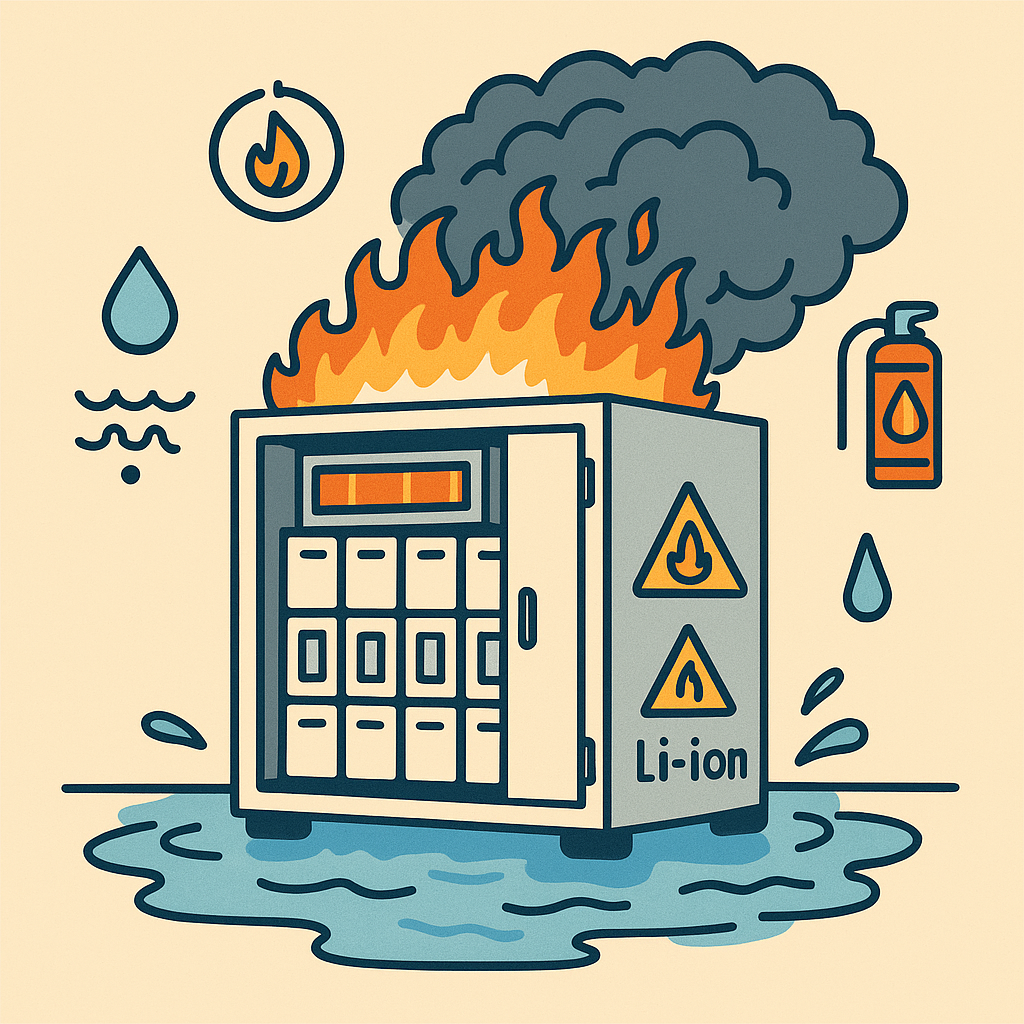
Water Retention and Fire Suppression in Thermal Runaway Scenarios
When battery packs inside an energy storage cabinet experience thermal runaway, temperatures rise rapidly, releasing high-pressure gases that may trigger localized fires or even explosions. While most cabinets are equipped with sprinkler systems for emergency cooling, immediate discharge of extinguishing water outside the cabinet often reduces the cooling effectiveness and sustainability of fire suppression.
The sealed structure of flood barriers can create a “water-retaining enclosure” during emergencies, allowing sprinkler coolant to accumulate at the cabinet bottom. This enhances cooling efficiency, prolongs fire suppression time, and reduces the risk of reignition. Moreover, the barriers can seal door gaps to prevent the leakage and spread of hot vapor and toxic gases, strengthening incident containment capacity.
Cabinet Protection Against Flooding
Energy storage cabinets are often installed outdoors on flat sites or low-lying areas, making them vulnerable to heavy rainfall, waterlogging, or backflow from drainage systems. Flood intrusion through cabinet gaps can corrode battery modules and power equipment, potentially causing short circuits, outages, or equipment failure.
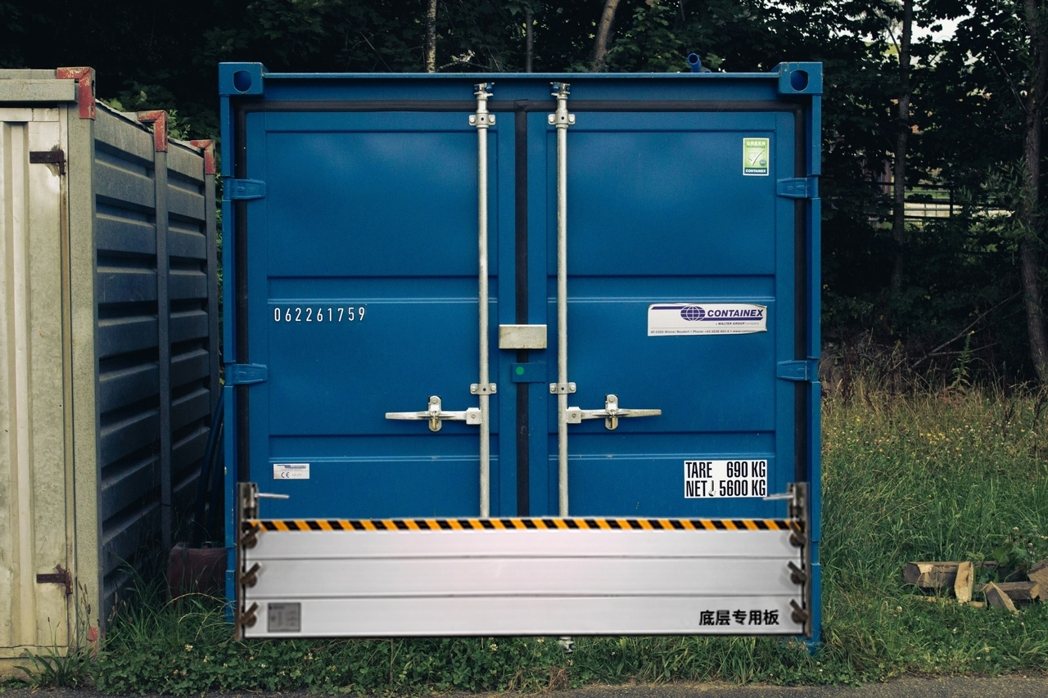
Deploying FM Approved quick-install clamping-type flood barriers enables rapid storage during non-flood seasons and swift deployment before disasters. Once sealed, these barriers provide strong resistance against water infiltration, high water pressure, and impact forces, ensuring the electrical and structural safety of the cabinet’s core components.
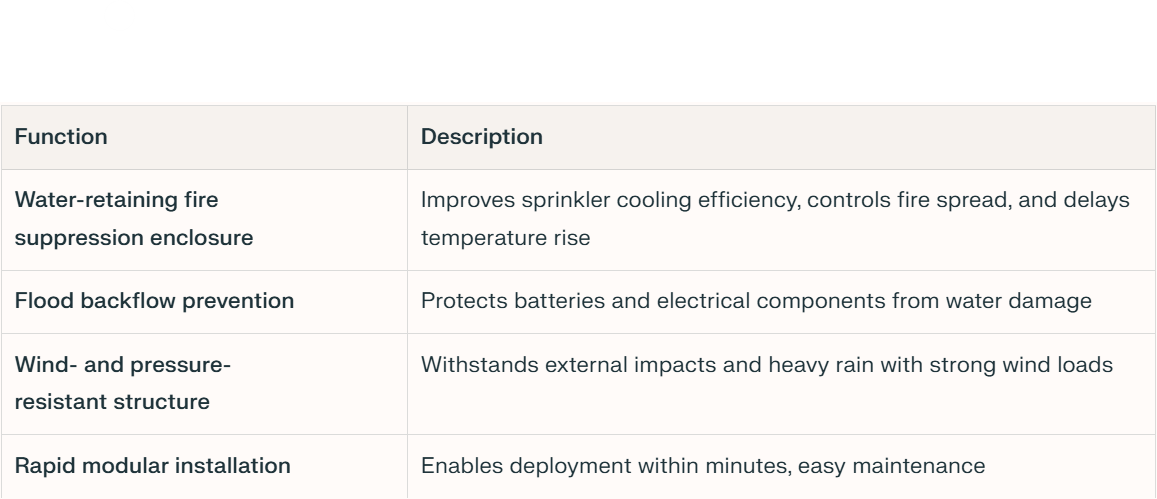
Multifunctional Application Summary
Conclusion
Managing fire and flood risks for energy storage cabinets has become a critical issue in modern energy infrastructures. Integrating flood barriers is not only a disaster prevention measure but also a combined strategy for fire safety and water resource management. The FM Approved flood gate system developed by Liansuo Construction Technology provides an internationally compliant safety solution for energy storage cabinets, helping clients balance energy resilience and operational security.