— Strengthening the Role of Flood Barriers in Environmental Safety and Regulatory Compliance
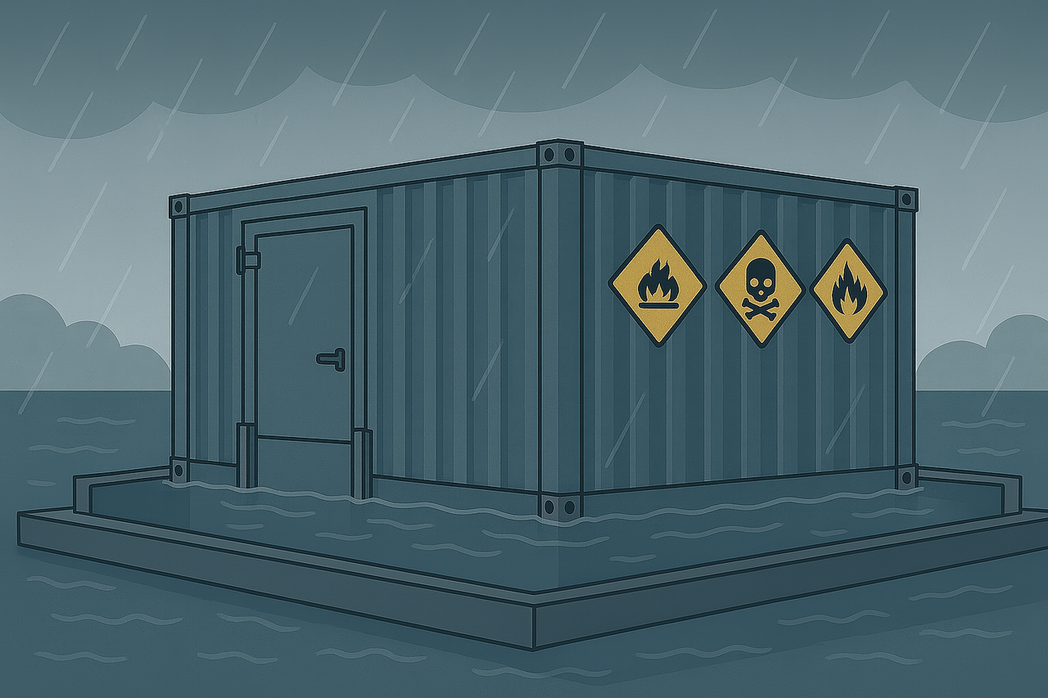
Chemical container houses are widely used for hazardous materials transfer, factory storage, and temporary handling stations, storing substances such as acids and alkalis, organic solvents, flammable gases, and toxic powders. However, when such facilities are exposed to flooding without proper protective design, the consequences may go beyond chemical leakage to include fires, explosions, and extensive environmental contamination. Flood barriers, in this context, serve as critical devices for “disaster isolation and spill containment.”
Preventing Chemical Spills and Secondary Pollution Spread
During flood events, if container house doors are damaged or poorly sealed, stored liquids can be dispersed by floodwater into the soil, sewage networks, or natural water bodies, thereby causing long-term environmental damage and even public health incidents.
The installation of flood barriers can isolate entryways and, together with secondary containment systems, form the first line of defense for spilled liquids. This mechanism temporarily confines leaked chemicals within the container, allowing time for pumping and safe disposal, effectively preventing external contamination and toxic gas dispersion while reducing environmental liabilities and compensation risks for the company.
Explosion Risk Prevention for Water-Reactive Chemicals
Certain chemicals react violently upon contact with water, releasing hydrogen gas, corrosive fumes, or heat that may ignite, and in severe cases, even cause container ruptures. Common high-risk substances include:
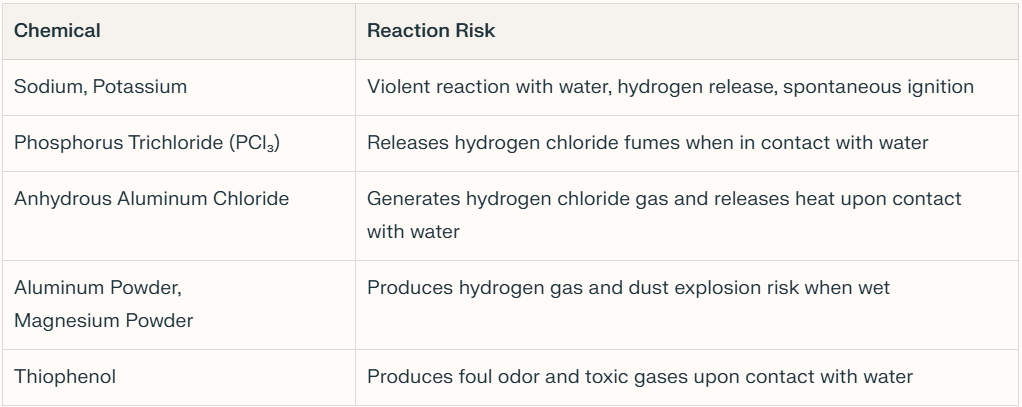
For these materials, waterproofing, flood protection, and moisture isolation are essential requirements. The integration of flood barriers with sealed door designs should be regarded as standard protective measures.
Essential Measures for Environmental Protection and Risk Management
Flood barriers are more than just physical waterproofing devices; they are strategic tools for regulatory compliance, disaster preparedness, and ESG-driven sustainable management:
Block pathways for chemical leakage, reducing spread radius of contaminants
Function with collection trays as a primary containment system for spills
Lower the likelihood of major incident reporting and regulatory penalties
Strengthen insurance claim conditions and corporate social responsibility execution
Conclusion
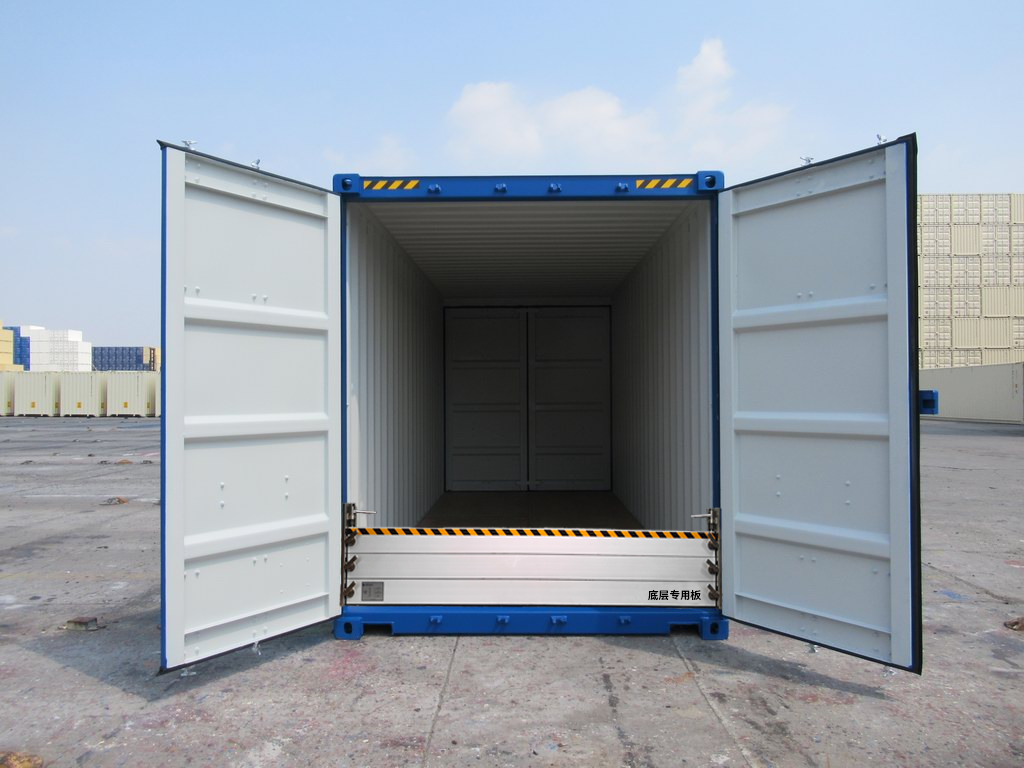
Amid increasingly volatile climate conditions and tightening environmental regulations, flood resilience for chemical container houses is no longer merely a structural issue—it is a key element of risk control and pollution prevention. By adopting FM Approved flood barrier systems from Liansuo Construction Technology, enterprises can significantly enhance facility safety, safeguarding both operational continuity and environmental accountability.